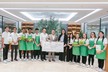


Two Jamestown businesses have been approved for loans from the Jamestown Local Development Corporation. Ramsay Agriculture was approved a $250,000 loan at 4% interest for 10 years. The funding is going toward stabilizing 41 Winsor Street. The total cost for the restabilization is estimated at $980,000 with the company contributing $700,000 toward the cost and private equity contributing $30,000.
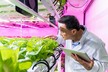
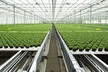
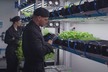
Ramsay Agriculture plans to put vertical farming inside the building in addition to creating energy for the facility via anaerobic digestion. JLDC Board member and Councilmember at Large Jeff Russell asked if the owners anticipate any pushback from New York State as part of the Climate Act due to the energy production involving the burning of methane gas.
Project Leader Ross Ramsay said they've brought up that issue with their engineers and architectural team as they will be the ones working on getting permits.
He said this isn't the first project of its kind in New York State, citing a Gig Farm in Cobleskill, New York that will be using methane gas, "We're going to capture the heat. The heat will actually help heat and cool the buildings. And the carbon that comes out of it will be sequestered into a system that's actually going to make beverage-grade drinking water. So, we're going to capture most of it and sell it with the rest sent into the farm in order to feed the plants. So, we're almost going to have.. I'm not going to say 90.. I'll say about an 80% capture rate. The rest will be dissipated out into the atmosphere."
Read more at WRFA