
First Nations youth, especially those living on reserves in rural and remote areas across the country, face significant financial and geographic barriers to education. In Manitoba, only 21 percent of First Nations youth enroll in post-secondary education, one of the lowest rates in the country.
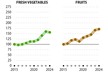
When Donald Trump threatened Canada's sovereignty, many of us fought back with our most powerful weapon: our wallets. But shoppers looking for Canadian-made produce quickly learned that many of their go-tos, like lettuce and oranges, aren't widely grown in Canada. A whopping 75 percent of fruit and about 50 per cent of vegetables found on Canadian grocery shelves are imported. But with rapid advances in indoor-agriculture technology, that doesn't need to be the case.
"The arrival of LED lighting transformed the indoor agriculture industry about 10 years ago," says Rich Gibson, the course developer and instructor of the indoor agriculture program at Olds College in Alberta. There's no longer any kind of limit on what we can grow here: bananas, pineapples, avocados, oranges and watermelons are all viable options, provided we have workers who know how to do it.
Controlled environment agriculture, or CEA—also known as vertical farming—is also a solution in remote Canadian communities where fresh produce is scarce and exorbitantly expensive, like up North.
Read more at Universities & Colleges