
Surface temperatures in Iran's Dasht-e Lut desert can climb to a lethal 159°F. Regardless, for hundreds of years before electricity, ice was manufactured there using highly efficient mud brick structures called yakhchāls. Scientific principles of convection, evaporation and radiative cooling were harnessed by Iranian architects to realize the impossible. Broad sheets of desert ice forming by night in shallow, shaded pools — clever, wonderful and surprising.
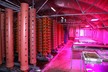
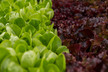
Likewise wonderful is the newly constructed Vertical Harvest growing facility in Westbrook, which is due to begin large-scale production of salad greens this autumn — about 6,850 pounds per day. With an urban footprint of just one-half of an acre, this automated farm can produce a yield equivalent of 250 rural acres of the same crop. It can sustain this production in all weathers and seasons, day or night. Vertical Harvest's 1:500 spatial leverage is a result of the intensive stacks of moving modular trays inside a building designed exactly for this purpose, in which water, nutrients, light and temperature are controlled with strict precision.
In short, the mysterious new building in Westbrook is a sealed clockwork for economical agriculture, a brilliant architectural reply to the pressing problem of food security. Every cubic foot within has been activated: The interior is a study in coordinated, synchronized systems that move "product" (assorted salad greens destined for regional supermarkets and schools) through the closely monitored stages of planting, germination, feeding, maturation, harvest, packaging and loading onto trucks for distribution throughout Portland, the state and New England.
Read more at Portland Press Herald