

A group of young Peruvian engineers decided to turn their passion for horticulture and innovation into a project with both social and business impact. The result is Kallpa Greenz.
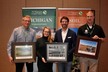
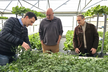
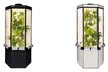
Darwin Paul Diaz, founder and current CEO, recalls how it all started back in 2020 as a volunteer initiative. "At the beginning, we worked with Origami Group Perú building small domes in schools to teach children how to grow vegetables, flowers, and fruit. We started with our own resources, and only managed to build a single prototype. In 2022, thanks to support from LG Electronics and KFHI, after winning the 2021 Ambassador Challenge, we built two domes made of high-quality materials with a lifespan of 20 years. Those were our first partners. Through these projects, we involved more than 400 students and over 150 volunteers who contributed their time and energy," he explains.
 © Kallpa Greenz
That first educational push quickly ran into financial obstacles. "We had all the will in the world, but no money. Many teammates ended up moving on to professional internships and we had to put the project on hold," Darwin remembers. But the seed had already been planted. By 2023, the idea resurfaced under a new name: Kallpa Greenz, positioning itself as a pioneer in hydroponics in Peru. "In 2023 and 2024, Kallpa was still a social volunteer project. In 2025, we decided to formally establish the company to grow while staying true to our social roots. 'Kallpa' means energy in Quechua, and that's what we want to transmit: energy to innovate and transform."
In 2024, Kallpa greenz built a new greenhouse, 6 metres high, in Shuji Kitamura, in a project financed by the diplomacy area of the United States embassy.
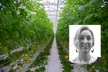
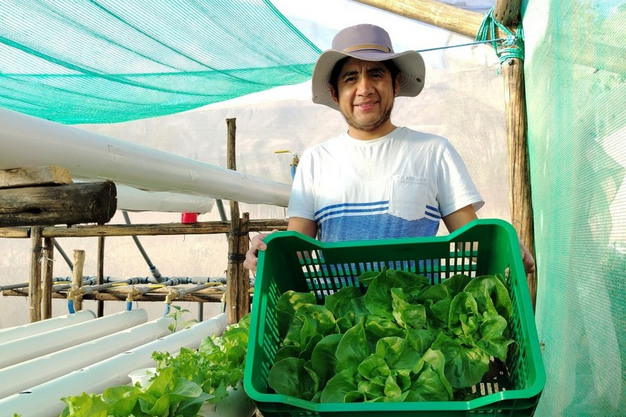
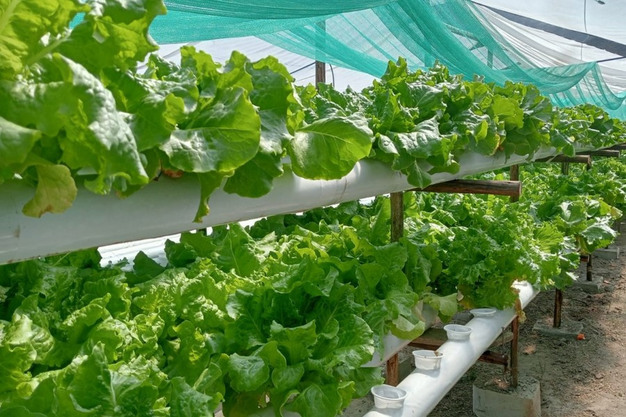
That same year, now as a company, Kallpa Greenz launched its first large-scale project: Casa Maya, a 240 m² greenhouse capable of producing 4,500 lettuces. The project, financed by their first client, Dan Coraje Águila, was built in Ancash in just 40 days. "We were six people. We cut wood, did carpentry, plumbing... We worked non-stop in the highlands handling all the construction tasks ourselves. It was a huge sacrifice, but we learned a lot on-site and proved we could make it happen," Darwin recalls.
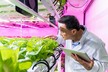
From there, Kallpa Greenz began shaping a hybrid model: building mid-scale greenhouses, developing automation technology, and holding on to the social vocation of its early days. "We want cultivation to be simple and accessible for everyone. That's why we're creating a software-as-a-service (SaaS) platform that allows growers to control parameters like temperature, humidity, pH, or EC straight from their phone. The idea is that even someone with no technical background could grow from their rooftop," he explains.
 © Kallpa Greenz
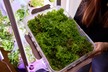
The vision goes further: "Our dream is to turn Lima's gray rooftops into productive green spaces. During the pandemic, we saw many people find peace in planting, and we want to respond to that need and make it accessible. Imagine looking down at Lima, covered in small hydroponic gardens. It wouldn't just ease the urban environment—it would support mental health and food security too."
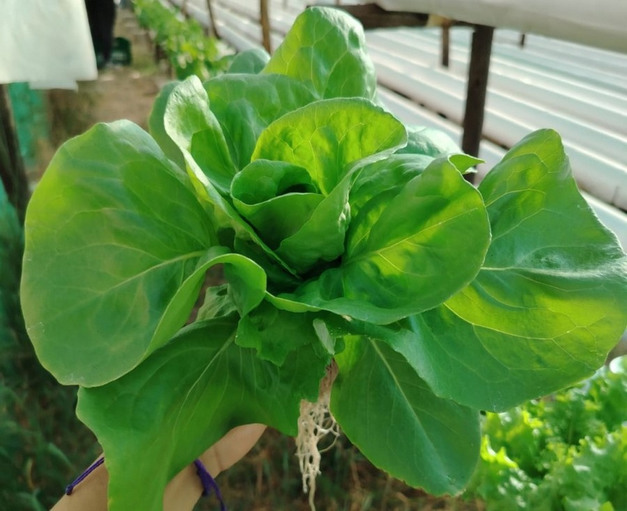
Hydroponics, Darwin notes, also addresses critical resource challenges: "It allows us to grow with less water, ensure food supply, and provide resilience in the face of climate crises," he says, recalling recent droughts in Peru.
 © Kallpa Greenz
"We don't just build greenhouses: we build opportunities for change"
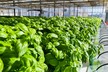
Today, Kallpa Greenz offers greenhouse construction of up to 240 m², suitable for lettuce, leafy greens, tomatoes, Swiss chard, pak choi, and even strawberries. "We've also developed a system that automatically regulates water salinity, and we're working on early-warning alerts so a grower can receive notifications on their phone if something happens in their greenhouse, even from kilometers away," Darwin adds.
The company is already planning two more greenhouse projects in Peru between this year and next, with expansion into Colombia, Chile, and Argentina on the horizon, and in the medium term, the United States and Europe. "Texas is a market with huge potential. There's demand there for hydroponic production technology, and we believe we can enter with a package that combines infrastructure and software."
Still, Darwin insists, Kallpa Greenz was born with a social mission and wants to keep it alive. "What motivates me most is knowing our story can inspire other young people. We don't just build greenhouses, we build opportunities for change. Every volunteer, every child who planted their first seed with us is part of the energy that drives us forward."
 © Kallpa GreenzFor more information:
Kallpa Greenz
[email protected]