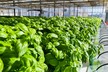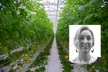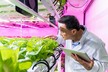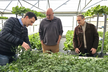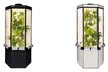


In Nevis, Richard Paris has launched a hydroponic venture that is reshaping local vegetable production. His business, Paris' Leafy Greens, supplies fresh packaged lettuce across the islands of Saint Kitts and Nevis.
Trained as an architect with a background in food and beverage management, Paris noticed the high level of food waste caused by imported lettuce, which often arrived in poor condition. "I realized there was a real need, not just for farming, but for commercial production of fresh vegetables," he says.
Inspired by local mentor Ronald "Bankie" King, who had set up a home hydroponic system, Paris decided to take the plunge into agriculture. After securing a loan, obtaining the necessary permits, and importing a specialized system, he built the first large-scale hydroponic greenhouse in Nevis, completed within two years.
Since its launch in 2019, his escarole lettuce has gained strong consumer acceptance. Grown with mineral-enriched water, it avoids bitterness and has a longer shelf life, ensuring freshness for buyers. Every morning at 7:00 a.m., customers line up in supermarket parking lots waiting for Paris' lettuce deliveries.
Currently, he supplies seven supermarkets, two in Nevis and five in Saint Kitts. Deliveries to Saint Kitts follow a precise routine: at 6:30 a.m., Paris loads the fresh bags into his vehicle, heads to the port for the 7:00 a.m. ferry crossing, and by 8:30 a.m., the lettuce is already on supermarket shelves.
To keep up with growing demand, Paris joined a FAO workshop on protected agriculture, where he acquired sensors to monitor temperature, humidity, and water pH. This allowed him to identify issues in real time, boosting monthly production from 1,098 to 1,555 units in just six months.
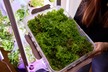
Paris plans to build a second greenhouse, three times larger, and expand into aromatic herbs such as basil. "My goal is to reduce lettuce imports, ease the island's food bill, and build an agricultural legacy for my children," he says.
Source: fao.org