
Malnutrition afflicts 20–50% of hospital inpatients worldwide, which means 1 in 4 admitted patients battle longer hospital stays, higher readmission risk, and slower recovery. These alarming rates remain consistent across North America and globally, and the problem often intensifies during hospitalization. Too often, food services cannot deliver truly nutrient-rich produce—conventional supply chains and lengthy storage lead to nutrient loss before food even reaches the plate.
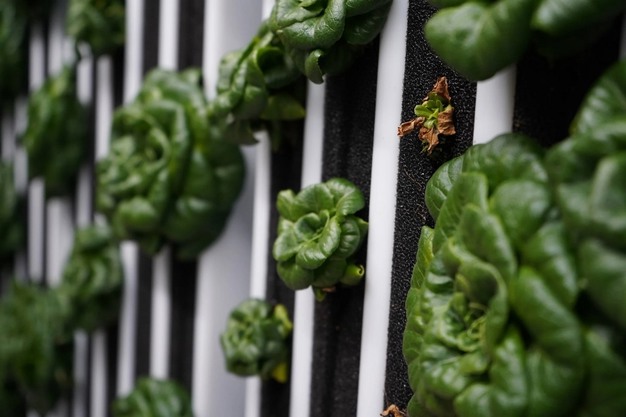
Conventionally sourced produce may lose 30% or more of its vitamins and minerals within days after harvest. Hospitals leveraging container farms can provide freshly harvested greens within hours, translating to higher clinical value for patients and staff. This "hours from harvest" advantage is particularly important for sensitive micronutrients like vitamin C and provitamin A, shown in both peer-reviewed review and practice.
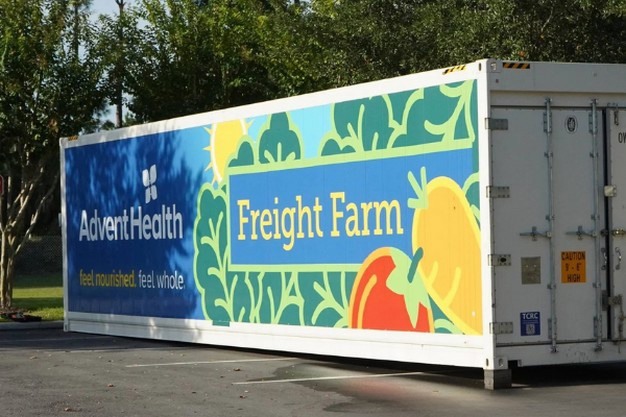 © Freight Farms
Vertically grown crops need no pesticides or herbicides and are produced in hygienic, closed environments. Peer-reviewed studies and operational audits confirm these systems dramatically reduce contamination risk, providing hospital executives with peace of mind on food safety.
Lab-validated nutrient content means dietitians can prescribe food like medicine. A wound-healing patient needs 20mg vitamin C? Freshly harvested greens deliver exact amounts—no guessing after transport degradation. This precision extends to oncology nutrition protocols and chronic care programs.
Making the numbers work
New federal legislation offering nearly 100% bonus depreciation has made container farm investments more appealing to hospital CFOs and impact investors alike. This strategy enables hospitals to accelerate return-on-investment and improve operating margins on sustainability initiatives.
But capital expenditure isn't the only option. Growcer and Freight Farms now offer a Farm as a Service option through the Growcer Fund, letting hospitals implement a fully managed farm starting at just $3,000 USD a month—hardware, support, and maintenance included. This removes barriers to adoption for organizations preferring operational expenses or looking for a way to pilot Food as Medicine programs risk-free.
 © Freight Farms
On October 28, Freight Farms will be hosting an executive webinar, Fueling the Food as Medicine Movement: Boost Nutrition and Patient Health by Growing Food Year-Round on Your Campus.
Attendees will learn how AdventHealth built a scalable model for hospital-based farming—growing from one farm to three, tripling salad bar revenue, and cutting food waste by 30%. The session also unpacks the clinical reasoning behind nutrient timing and loss, along with methods for measuring nutrition as a true clinical outcome. You'll gain insights into the investment, staffing, and space requirements for hospitals of any size, starting at just 320 square feet, and explore accessible payment and depreciation models, including flexible as-a-service options.
For more information: Freight Farms
[email protected]
www.freightfarms.com