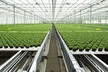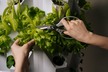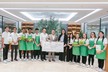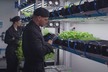


Students in Midwest will soon get a hands-on lesson in growing their own food — indoors. Thanks to a $2,000 grant from Farm Credit Services of America, the district's Breakfast and Lunch Program is set to launch an indoor hydroponic garden, bringing fresh, locally grown produce straight from the classroom to the cafeteria.
The innovative project will be directed by Desiree McAdams, Director of Nutritional and Warehouse Service. Using hydroponic systems — which grow plants without soil — students will cultivate strawberries, lettuce, cucumbers, tomatoes, and other fresh produce year-round. The garden is projected to yield more than 390 pounds of produce annually, saving the district an estimated $1,300 each year in food costs.
Beyond the numbers, the initiative promises to plant something deeper: curiosity and connection. It's about giving students a chance to learn, taste, and take pride in something they helped grow. The garden will serve as both a learning lab and a food source, giving students a tangible connection to the food they eat. So many kids don't get to see how food is grown or what it takes to nurture a plant from seed to harvest. This project lets them experience that process firsthand — and then taste the results in the cafeteria.
Teachers can incorporate the garden into STEM lessons, connecting concepts like biology, chemistry, and environmental science to real-world applications. Younger students can help with planting and monitoring growth, while older students will study water conservation, plant cycles, and food systems.
Read more at K2 Radio