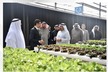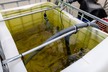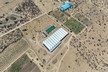


Aquaponics the integration of aquatic animals and horticultural is a sustainable solution for optimizing nutrient and water reuse in food systems.
This study evaluates the economic feasibility of a small-scale, solar-powered Integrated Multi-Trophic Aquaculture (IMTA)-aquaponic system by comparing biomass yields of aquatic species and various vegetables crops between smart hydroponic, traditional hydroponic, and soil-based systems. Installation, operational costs, and financial metrics (net income, return on equity, operating ratio) were analyzed, with AI-enhanced IMTA-aquaponics evaluated against conventional methods, including solar and smart monitoring expenses. A Life Cycle Assessment (LCA) further examined environmental and social impacts in the Egyptian context. The findings highlight that IMTA-aquaponics presents a sustainable solution to global challenges like population growth, water scarcity, and climate change, offering youth in developing nations entrepreneurial opportunities. Despite variables such as planting density and material costs affecting outcomes, the system proves highly profitable. However, climate-dependent productivity and price fluctuations necessitate strategic production planning. Aligning crop cycles with high-demand, low-supply periods maximizes profitability.
Ultimately, smart IMTA-aquaponics demonstrates economic viability in Egypt, achieving faster break-even points and greater market shock resilience than conventional farming, reinforcing its potential as a scalable, sustainable agricultural model.
Goda, A.M.AS., Mohammady, E.Y., Aboseif, A.M. et al. Comparative socioeconomic, environmental and technical analysis of conventional versus smart sustainable integrated multi-trophic aquaponics systems. Sci Rep 15, 39414 (2025). https://doi.org/10.1038/s41598-025-23039-2
Source: Nature Magazine