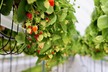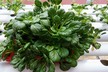


Part of Ghana's plan for horticultural sustainability includes the launch of government-supported pilot demonstration farms: Establish about 10 aeroponic demonstration sites in Accra, Kumasi, Takoradi, Tamale, and one coastal agro-ecological zone. Each should be linked to institutional buyers such as the school feeding programmes, hospitals, supermarkets, and hospitality suppliers, to ensure stable revenues and generate real-world data.
Develop blended financing options: Government, development partners, and banks can collaborate to provide partial grants, medium-term leasing options, and working capital loans tied to purchase contracts. This blended financing model will reduce the cost burden on agripreneurs.
Build local capacity: Universities, polytechnics, and agricultural colleges should introduce certification programmes in controlled-environment agriculture, ensuring a skilled workforce capable of operating and managing systems efficiently.
Establish clear food safety and quality standards: The Ministry of Food and Agriculture (MoFA) and the Food and Drugs Authority (FDA) should set standards and regulatory clarity to enhance consumer confidence in aeroponically grown produce.
Read more at Graphic Online