
Combining advanced technology with precision agronomy, Futura Gaïa opens the door to an impressive range of plant production – from common crops to rare species – without consuming farmland and always with respect for the environment and biodiversity. "I see this future form of agriculture as an enhancement to what we already have, not a replacement," says co-founder Pascal Thomas. "Vertical farming is also a chance to re-educate city dwellers about what agriculture truly is, bringing it closer to urban areas and making it more tangible."
Futura Gaïa offers indoor cultivation systems designed for the food, cosmetic, pharmaceutical, and nutraceutical industries. Its goal: to secure plant supplies through eco-friendly farms capable of reproducing the most favorable climates for each species. These farms operate all year long, shielded from bad weather, free from pesticides, and significantly reduce reliance on imports.
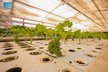
In practice, plants grow in rotating circular trays filled with natural substrate. Each tray turns slowly, ensuring even exposure to light and nutrients. Algorithms constantly monitor temperature, humidity, soil composition, and water usage. The result is stable, predictable, and completely traceable production.
For Futura Gaïa, preserving water – one of our most vital resources – is a central mission. "We give plants only the water they need to grow, wasting none in the process," says Pascal Thomas. The company reports using up to twenty times less water than open-field farming. Its farms also support the cultivation of rare, wild, or endangered plant species for cosmetic and pharmaceutical uses, without harming natural ecosystems.
Read more at Futura