In Part One of this feature, Bernard Sleijster and Nadirsha Everett, founders of Indoor Vertical.Farm and Food Security Capital, outlined their financing model for controlled environment agriculture across island regions. In Part Two, we look at how they translate that model into training, capacity building, and community partnerships.
As Chief Relationship Officer, Everett leads the partnerships that underpin Food Security Capital's training and capacity-building work. "I am a corporate lawyer by profession, but my role is to build connections between our experts and local partners."
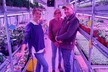
"We want to bring the best of our team together to create synergy with Food Security Capital and take that expertise into the field. That means working closely with governments and multilaterals to deliver real, local impact."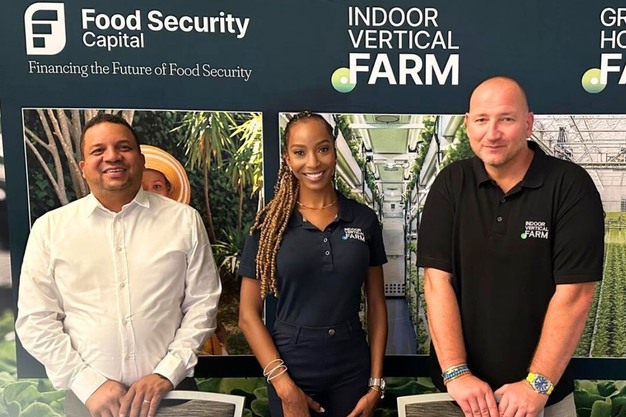 © Indoor Vertical.Farm
Early lessons from community engagement in Barbados
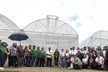
"We have had people come up to us in stores because they recognized the Indoor Vertical.Farm shirts," Sleijster said. "They heard something on the radio or saw something on television from the minister talking about the project, and they wanted to thank us. People tell us, 'We need this so much.'"
For Everett, that sense of ownership among residents is what motivates their approach. "We are not just bringing equipment and walking away," she said. "We are hands-on, in the country, training and teaching people how to use it. Our preference is not to operate farms directly, but to empower local operators to manage their own facilities and produce their own food."
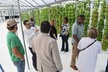
Sleijster added that training is a formal part of the rollout. "We have prepared a training program with manuals and are bringing in agronomists, technical experts, and operational staff," he said. "We want to cover every aspect, from installation and preventive maintenance to software and growing basics. We want to leave people with a strong foundation so they can run the farms independently."
A collaborative ecosystem
Food Security Capital positions itself as a collaborative platform rather than a single operator. "Food security cannot be achieved by one company," Sleijster said. "People have to get involved and do it themselves. This is a joint effort. You cannot place that responsibility on a single government or organization. Everyone needs to come to the table and contribute part of the solution."
That spirit of cooperation, he said, defines the Caribbean region. "The governments support each other. They follow one another's needs. Barbados often takes the lead in new initiatives, whether in technology, healthcare, water, or energy. At the Global Sustainable Island Summit in St. Kitts and Nevis, we met heads of government, ministers, and diplomats from across the region, and they all said the same thing: let's connect and share expertise."
Everett said that collaboration extends to farmers as well. "One of the initiatives we are working on with the Ministries of Agriculture is a cooperative model, so farmers do not have to compete with each other. They can collaborate instead, growing different crops and selling through coordinated channels. The goal is to increase local food production and reduce imports."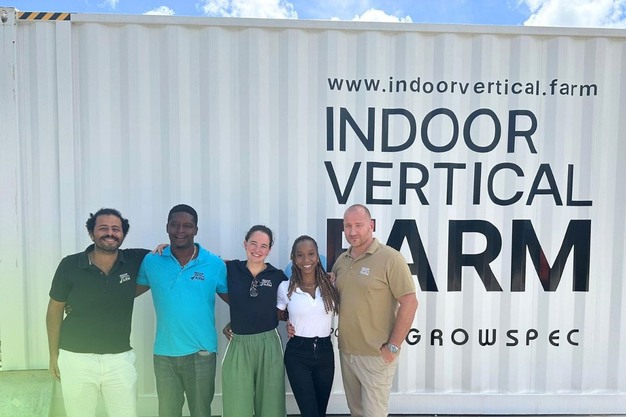 © Indoor Vertical.Farm
Sustainability as foundation
"Food security and sustainability go hand in hand," Sleijster said. "For island states, the three main concerns are energy, food, and water."
"Water has two meanings. First, drinking water, which is often limited on small islands, leading to desalination and conservation programs. Second, there is the concern about rising sea levels. Water management is critical. Every island state, from Fiji to Hawaii to the Caribbean, faces the same challenges related to electricity and food."
Indoor Vertical.Farm's systems in Barbados will operate entirely on renewable energy, aligning agricultural infrastructure with the region's broader sustainability goals and serving as the blueprint for our wider regional rollout. "We use less water, which means more is available for others. They want to make the shift to renewables, and we support that. It all fits together."
Investing with purpose
When asked what message he would send to potential investors, Sleijster said, "It is not just about where to put the money, it is about where to put the heart. If someone is looking only for a financial return, we might not be the right investment partner. However, if they are looking to invest in measurable impact, like how we support local communities, reduce dependence on food imports, and achieve sustainable gains, then we are the right partner."
Everett added that the work also involves reshaping habits and culture. "We need to change how we eat," she said. "We need to eat better and healthier. If people start growing locally with no pesticides and no chemicals, they will live healthier, longer lives. It is also important to involve younger generations, because most farmers today are over sixty. The youth need to see that growing food with technology is part of a healthier future."
For more information:
Food Security Capital / Indoor Vertical.Farm
Bernard Sleijster, Co-Founder and CEO
[email protected]
www.foodsecuritycapital.com
www.indoorvertical.farm
Food Security Capital / Indoor Vertical.Farm
Nadirsha Everett, Co-Founder and CRO
[email protected]
www.foodsecuritycapital.com
www.indoorvertical.farm