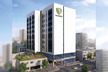


Agri Hub is a conceptual mixed-use project designed in Apr 2022. It is a vertical farm/food infrastructure that reinterprets architectural metabolism through a closed-loop urban food system.
This project proposes a contemporary reinterpretation of architectural metabolism, moving beyond its historical association with the post-war Japanese Metabolist movement. Rather than treating metabolism as a system of replaceable building components, the design reframes it as a dynamic and reciprocal process. It will become the one that nourishes, regenerates, and feeds back into the social and urban environment.
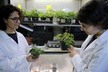
At the core of the proposal is a closed-loop, hybrid agriculture hub that bridges agri-food research, food production, and urban consumption. Positioned as an active piece of urban infrastructure, the project operates simultaneously as a research platform, a production facility, and a public-facing food hub, reconnecting the cycles of knowledge, cultivation, and consumption within the city.
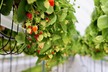
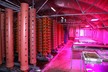
The architecture is organized into three primary programs, each expressed through a distinct form and material strategy. Agri-food research spaces are housed in rigorous column-and-beam volumes, emphasizing structural clarity and fostering collaboration and experimentation. Agricultural production zones are conceived as soft, expansive, and highly transparent environments, optimized for efficient food growth while remaining visually open to the city. In contrast, the farm-to-table retail component is designed as a dynamic and inviting interface, activating the ground plane and engaging directly with the surrounding urban fabric.
Read more at Parametric Architecture