

Inflation may be easing, but grocery bills remain stubbornly high. Since 2020, groceries have increased in price by nearly 30%, outpacing overall inflation and average wage growth.
The reasons often begin far from the checkout line, via the long supply chains that convey most of the country's fresh produce. The United States relies heavily on imports and a small number of domestic growing regions that are vulnerable to extreme weather, water shortages, and labor disruptions. Wildfires in California or war in Europe can raise prices for families in Ohio.
There's no question that those long supply chains have delivered some benefits. They've helped expand American palates, removed seasonality from store shelves, and in some cases, brought costs down. Unfortunately, the price we've paid for this expanded supply and convenience has been the erosion of the resilient, regionalized network of small farmers that once fed the nation. Since the early 2000s, U.S. fresh vegetable production has decreased by more than 23%.
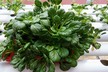
So how do we bring resilience back to our food system and make fresh food more affordable? The solution is innovation. Indoor farming, often called controlled-environment agriculture (CEA), uses advanced lighting, climate control, and data systems to grow produce year-round in highly efficient facilities. Countries like the Netherlands, the world's second-largest agricultural exporter by value, have demonstrated how it can dramatically increase output despite limited land.
Read more at Agri Pulse