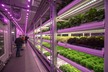


In many emerging markets, the challenge is not whether food is produced, but how efficiently it reaches the end consumer. This is where solutions like vertical farming are starting to gain relevance.
Countries like Mexico have strong agricultural capabilities, but as cities grow and expectations around quality and consistency increase, new opportunities are emerging, especially in how food is produced and managed closer to urban centers.
More than replacing traditional agriculture, the focus is shifting toward making food systems more efficient, more predictable, and better aligned with today's demand. Traditional agriculture has been highly effective at producing at scale. It allows large volumes of food to be grown and distributed across regions, supporting both local and global demand. However, as consumption patterns shift, especially in urban environments, new needs begin to emerge.
Today, many businesses are not only looking for volume, but for reliability. They need consistent quality, stable supply and fewer variations. This is particularly important for sectors such as hospitality, retail and food service, where consistency directly impacts the customer experience. This is where new models can begin to complement existing systems.
Read more at Mexico Business