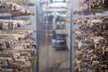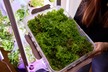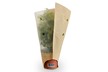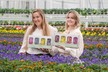


At her workshop in Co Cork, Lavanya Bhandari is growing the future of packaging. Using mycelium – a fungal material that feeds on farm waste – she grows small containers in just a few days. Once formed, the lightweight and durable material protects items in transit and, after use, decomposes naturally, returning nutrients to the soil.
Mycelium is the living network of thread-like filaments that make up the main body of a fungus. If the mushroom is the fruiting body, the apple on the tree, then mycelium is the tree itself: unseen, yet essential to life above. It forms a vast web that weaves through soil, wood, and leaf litter, releasing enzymes that break down organic matter.
Sometimes it is microscopic, forming colonies too small to see, and sometimes it stretches across thousands of acres, making it one of the largest living organisms on Earth. Although it now thrives beneath forests, mycelium predates them by hundreds of millions of years. It is older than trees, flowers, and the first land animals, shaping the planet's ecosystems long before modern life evolved.
Mycelium is now at the cutting edge of sustainable design, part of what's being called the "shroom boom". Big companies such as Dell began using mycelium packaging in 2011 to ship servers, while Ikea has set an ambitious target of phasing out plastic from all consumer packaging by 2028, which includes the use of mycelium to replace styrofoam.
Read more at Irish Times