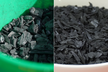


Demand for coir substrates in India has been growing at an estimated 15–20% per year over recent seasons, fuelled by the rapid rise of polyhouse and hydroponic vegetable production, says Akshay AG of Biogrow Substrates India. "Polyhouse growers working with tomatoes, cucumbers, and berries, plus entrepreneurs testing hydroponics for the first time, make up the bulk of our customer base, and our processing volumes have scaled accordingly to keep pace with this growth," he explains.
According to Akshay, the Middle East conflict has added volatility to global logistics, nudging substrate prices mainly through freight and transport rather than raw‑material costs. "Our raw material costs and domestic substrate prices have remained stable, so the change is almost entirely driven by shipping variables. But Biogrow prioritizes supply‑chain resilience by anticipating logistical shifts, optimizing our shipping, and absorbing as much of that complexity as possible so our partners can get their growing media on time and still see relatively stable pricing."
 © Biogrow Substrates India
On the crop side, Biogrow Protec continues its focus on cherry tomatoes, which remain a strong crop for premium retail and export‑oriented polyhouse operations. "We also work with other protected crops gaining traction in organised retail and export, such as beef tomatoes, cucumbers, melons, and berries, by refining substrate blends for particular crops and climates and collaborating with growers on irrigation and fertigation strategies." He adds, "When clients tell us they're seeing more uniformity, cleaner production cycles, and less crop stress, that's how we know our premium substrates are delivering real value in the field."
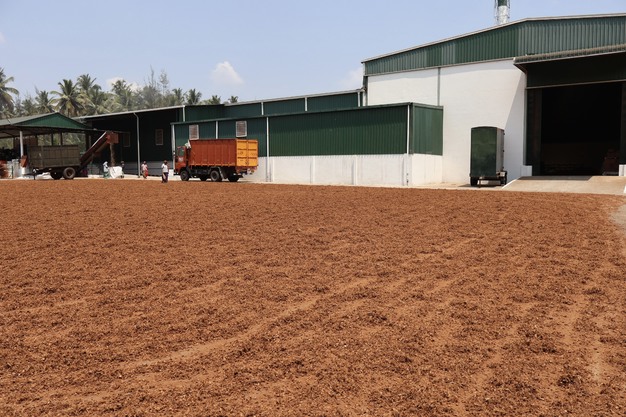
Growers often face inconsistent cocopeat quality, limited technical know‑how, and unreliable supply chains, which Biogrow India aims to address. "We've observed a lack of consistency, customization and tight technical integration in the market. So we engineer our substrates and growbags to deliver uniform physical and chemical properties across every batch. By investing heavily in raw‑material selection, precise processing, and strict quality control, we're also developing crop‑specific blends and improving growbag designs to boost root‑zone performance and ease of use."
 © Biogrow Substrates India
Variability in cocopeat can directly affect crop performance, and many new growers in India struggle with irrigation and nutrient management too. "To give them the very best chance of success Biogrow continues to offer consistent substrate quality with a technical advisory service, where our experienced growers provide on‑site visits, troubleshooting, and guidance."
Today, Biogrow works with more than 300 growers across India, spanning large‑scale commercial greenhouses and emerging start ups in container and hydroponic farming that grow tomatoes, cucumbers, and berries, from a few thousand plants to multi‑hectare operations. "While several growers have trained at our Biogrow Protec Training Centre, our core strength is on‑site, hands‑on support. That approach has helped many move from trial‑phase setups to stable, commercially viable businesses."
For more information:
Akshay AG
Biogrow Protec
Tel: +91 70 22 352 506
Email: [email protected]
www.biogrowsubstrates.in
Manpreet M
Biogrow Substrates India
Tel:+91 91 08 803 685
Email: [email protected]
www.biogrowsubstrates.in