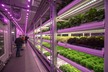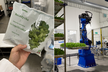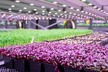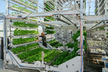


On a dusty morning in the Jordanian town of Dhiban, just south of Amman, Aisha Al-Hawatmeh walks between rows of crisp, emerald lettuce nestled in white plastic troughs. Inside the greenhouse, there is no soil — just a quiet trickle of nutrient-rich water circulating beneath the plants. Outside, the land lies dry and hard. Inside, it's an oasis she built from scratch.
"I used to grow herbs in bottles on my balcony," she laughs, brushing her fingers along a sprig of basil. "But when the water ran out, so did my little garden. That's when I realized — if I wanted to keep farming, I needed to farm differently."
What began as a retired nurse's experiment with urban gardening has evolved into Jordan's first women-led hydroponics cooperative, a climate-smart farming initiative that has trained dozens of women, revitalized neglected plots of land, and offered hope in a country teetering on the edge of a water crisis. Jordan is one of the driest countries in the world. Over 90% of its land is desert or semi-desert, and its freshwater reserves are shrinking fast.
The average Jordanian now has access to just 100 cubic meters of water per year — well below the international threshold of water scarcity, which is 500 cubic meters. Climate change has only made things worse: seasonal rains are becoming increasingly erratic, and droughts are becoming more intense. Meanwhile, traditional agriculture, which consumes over half of Jordan's water, is becoming almost impossible in many parts of the country.
Read more at New Arab