

Recently, an unusually quick onset of heat has heated up vegetable fields nationwide, followed by concentrated monsoon rains, triggering an emergency for crop yields. Notably, the damage to leafy vegetables such as spinach, lettuce, and perilla leaves, which are sensitive to hot and humid weather, is significant.
The monsoon reduces the sunlight available to plants and floods fields, softening crops. If intense heat returns after the monsoon, there is also the issue of leaves burning. Vegetables of diminished quality age faster, making it difficult to maintain freshness during distribution. Prices for vegetables have already risen sharply, and there are projections that this trend will continue until August.
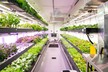
Major supermarket chains in Korea have been busy since last year to secure fresh vegetables this summer. In this process, they are actively discovering alternative production areas like smart farms and utilizing special storage technologies to enhance supply stability.
The temperature inside greenhouses can rise significantly higher than outside when the maximum temperature reaches the upper 30s. During such times, the photosynthesis efficiency of leafy vegetables decreases, growth may stop, and damage from pests tends to increase. Additionally, the concentrated rainfall during the monsoon leads to flooding of crops and reduces the sunlight reaching plants, weakening their roots and leaves.
Read more at Chosun Biz