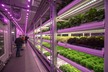

Growing crops in controlled-environment indoor farming systems offers new ways of producing high-yield, pesticide-free, environmental-friendly food.
However, it replaces soil with hydroponics and the sun with LED lights. Compared with the field, wheat grown indoors showed a much higher yield potential and bread-making quality parameters. Many mineral concentrations were higher due to the unrestricted water supply and nutrients in hydroponics. However, concentrations declined with increasing yields. The microbiome richness inside the grains of wheat grown without soil indoors was still within the range of wheat grown in the field. However, taxa were different among cultivars and treatments. There were differences in the presence of undefined secondary metabolites between indoor and outdoor wheat and across the indoor experiments. Regardless of the growing environment, immunoreactive proteins were present. Indoor-grown wheat had a higher share of ω5-gliadins but lower shares of γ-gliadins and low‐molecular‐weight glutenin subunits, which may affect the gluten protein immunoreactive potential for individuals with wheat-related disorders (allergy and celiac disease). Growing wheat without soil and sunlight indoors can produce high-yielding, high-quality grains.
However, the food quality and health aspects associated with gluten proteins might deteriorate with a further, theoretically possible, yield increase in a controlled growing environment.
Bassu, S., Eichelsbacher, S., Giunta, F. et al. Positive impact of hydroponics and artificial light on yield and quality of wheat. Sci Rep 15, 30768 (2025). https://doi.org/10.1038/s41598-025-16204-0
Source: Nature Magazine