
On the quiet coast off the traditional territory of the Squamish people in British Columbia, a retired Canadian warship lies moored in the still waters of Burrard Inlet. Once a Bay-class minesweeper, she braved Arctic ice and Pacific storms, serving the Canadian Navy through tense decades of the Cold War. Today, her mission has shifted dramatically: she grows food.
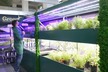
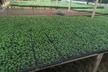
Inside her steel hull, the armory has been cleared, sailors' bunks disinfected, and reflective film laid along the walls. Rows of vertical racks glow with violet LED light, cradling lettuces, cherry tomatoes, and bright red peppers. What was once a machine of war has been reborn as a floating vertical farm, a vessel now committed not to combat but to sustenance, resilience, and innovation.
This transformation is the vision of a young team of Canadian innovators, many of Chinese descent, who saw an urgent need in the nation they call home. "Canada doesn't need more weapons on the water," says Rong Ge, the project's leader in his early 30s. "We need food. We need resilience."
I first boarded this ship years ago, when she was still a naval museum. Sitting in the captain's chair on the bridge, I imagined the storms she had weathered, the Arctic ice and fog, the tense moments of command. The polished compass seemed to whisper of voyages through danger and uncertainty, a relic of a time when every decision carried national weight.
Read more at Pan Couver