
Twenty years of working in clinical care in the U.S. health care system opened Katie Frank's eyes to treating disease. "Sadly, patients want a quick fix, a magic pill," she says. "We do not focus enough on prevention."
Combined with her understanding of the adverse effects of the typical American diet and in an effort to contribute to her community's preventative health, Frank started Coastal Greens Farm in November 2022. Frank grows microgreens: tiny, young, edible plants that are harvested just after the first true leaves have developed. They are packed with vitamins like C, E, and K, and minerals, antioxidants, and other essential nutrients.
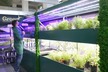
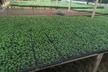
"Coastal Greens Farm is not a traditional farm with acres of land and a limited growing season," Frank says. "Instead, the farm is a ten-by-ten-foot room in our home that we call the Grow Room." The farm is equipped with soil-filled trays housed on vertical racks. Low-energy, low-heat LED lights serve as the microgreens' sunlight.
The farm produces a curated selection of microgreens including arugula, radish, basil, sunflower shoots, mustard greens, pea shoots, broccoli, amaranth, borage, Tokyo onion, cilantro, wheat grass, collards, and cantaloupe. The microgreens are harvested every ten to twenty-one days.
Read more at Wilma