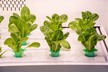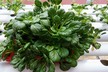


At the International Space Station (ISS), astronauts grow lettuce using recycled water and pink LED lighting, a vision of a self-sustaining future. Yet, new data paints a more complex picture.
A recent study published in Nature, based on open data from NASA, reveals that space-grown crops are losing key nutrients, while the human body weakens in microgravity. Lettuce cultivated in orbit contains 29–31% less calcium and about 25% less magnesium than its Earth-grown counterpart, alongside variations in iron and potassium levels.
While the plants appear healthy, they lack nutritional value. "A space salad may look perfect in photos, but it doesn't strengthen the bones," the researchers warn. The deficiency of calcium and iron contributes to bone loss, anemia, and fatigue, issues that already challenge astronauts during long missions.
Microgravity changes how plants absorb nutrients, distribute water, and respond to oxidative stress. Some antioxidants decrease, leaving both plants and humans with less protection against radiation. Space-grown plants produce fewer protective molecules and more stress compounds, affecting flavor and nutritional density.
The problem isn't limited to plants. Studies from NASA and JAXA show that astronauts also undergo genetic and metabolic changes that affect calcium metabolism and bone density. Some exhibit signs of leaky gut, a condition that impairs nutrient absorption and increases inflammation.
The research combines decades of astronaut records and orbital experiments, drawing from NASA's OSD and SOMA databases to correlate space-grown crops with human biomarkers. The goal: to understand the intricate relationship between space food and the human body in microgravity.
To counteract these effects, scientists are turning to bioengineering and biofortification, aiming to increase calcium, magnesium, and iron levels in crops grown in space. Researchers are also exploring flavonoid-rich plants, which could help protect cells and strengthen the body during long-term missions.
Improving nutrition in orbit today will be critical for future missions to Mars, where every nutrient will count. As scientists refine how food grows and nourishes in space, each leaf of lettuce brings humanity one step closer to thriving beyond Earth.
Source: xataka.com