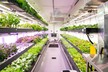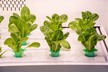


An agricultural breakthrough could help alleviate fears about food insecurity as farmers face increasingly unpredictable weather because of rising global temperatures. A team including researchers from the University of Tokyo announced that it successfully cultivated large-fruited tomatoes in an LED-based plant factory — a significant development given that traditional thinking assumed tomatoes couldn't grow under energy-efficient LEDs.
"This marks a turning point as LED factories, usually thought suitable only for leafy greens, can also support demanding fruiting vegetables like tomatoes," said Wataru Yamori, an associate professor from the university's Graduate School of Agricultural and Life Sciences.
Tomatoes are among the world's most consumed foods — a nutritious staple ingredient in soups, salads, pastas, pizzas, and more. However, transporting fruits and vegetables is an energy-intensive process, generating around twice as much heat-trapping pollution (or food-miles emissions) as production itself, according to a study published in Nature Food.
Ironically, food delivery methods destabilize food systems, increasing food insecurity as extreme weather devastates crops and pushes prices higher at grocery stores. Installing local, energy-efficient plant factories could help combat these human-induced effects. LED bulbs produce around five times less pollution than traditional bulbs.
Read more at The Cool Down