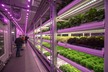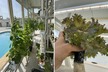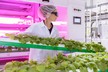


To advance sustainable food production and agricultural education, ComEd and the Electric Power Research Institute (EPRI) celebrated the successful food production of their agriculture pod (ag pod) program, a clean energy initiative powered by energy-efficient technologies that delivers fresh produce and hands-on learning opportunities to communities across northern Illinois.
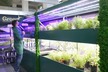
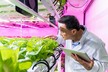
Ag pods are controlled environment agriculture (CEA) farms made from custom shipping containers. In December 2023, ComEd and EPRI installed ag pods in Chicago's North Lawndale, Bronzeville and Englewood neighborhoods, as well as on the campus of Northern Illinois University (NIU) in DeKalb. Each ag pod is equipped with energy-efficient technologies including LED lighting, high-efficiency HVAC systems, recirculating water pumps, dehumidifiers and environmental sensors to create optimal growing conditions year-round.
"ComEd is proud to collaborate with EPRI and our community partners on this innovative farming technology to bring healthy food to neighborhoods that need it most," said Dale Player, Vice President of Engineering & Smart Grid at ComEd. "This program is a powerful example of how electric technologies can drive sustainable solutions, and how the right investments combined with community partnership can support resilience in our communities."
The ag pod program is a national study conducted by EPRI. ComEd is one of 16 participating energy companies to demonstrate and increase understandings of indoor food production and CEA farm operation.
"Demonstrating the benefits of indoor farming is an opportunity to educate communities while also delivering fresh, nutritious, locally grown produce to the community year-round. By leveraging advanced technologies such as LED lighting, high-efficiency HVAC systems, and precision-controlled pumps, controlled environment agriculture (CEA) boosts crop yields per square foot, reduces transportation energy demands, and optimizes water usage," said David Porter, Vice President of Electrification & Sustainable Energy Strategy at EPRI. "EPRI looks forward to working with collaborators to showcase innovative, sustainable practices that promote consistent access to healthy food."
Each ag pod is managed by a local community partner.
The Young Men's Educational Network (YMEN) operates an ag pod as part of their community garden program to grow and distribute food to local community members. Their ag pod is located at 1443 S. Harding Ave. in Chicago's North Lawndale neighborhood.
Northern Illinois University's Edible Campus program conducts research through the ag pod and distributes food to students through campus dining halls. Their ag pod is located at Northern Illinois University Anderson Hall, 1425 W. Lincoln Hwy, Dekalb, Illinois.
Grow Greater Englewood will grow and distribute food to local community members. Their ag pod is located at 5812 S. Green St. in Chicago's Englewood neighborhood.
Emerald South Economic Development Collaborative will grow and distribute food to local community members. Their ag pod is located at 4927 S. Indiana Ave. in Chicago's Bronzeville neighborhood.
"After operating the ag pod for one year, we have been able to produce almost one ton of fresh, leafy, high nutrient (and may I add… delicious) produce that is making our neighborhood stronger, healthier, and better," said Michael Trout, Founder and Executive Director of the Young Men's Educational Network. "This agricultural tool has been a laboratory for learning as we embrace new and innovative ways of growing in urban neighborhoods using vertical shelves, drip irrigation, and a controlled growing environment that ensures we can grow fresh vegetables 365 days a year. More than 73 young people, age 12 to 24, were employed to work with the Garden 2 Table Pipeline, a resilient food system, which is home to the ComEd / EPRI Ag Pod in North Lawndale. Our young people see themselves as part of the solution fighting food insecurity in our community."
"We are pleased to partner with ComEd and EPRI on this innovative project that combines education, sustainability, and technology," said Dr. Rena Cotsones, Vice President for Outreach, Engagement and Regional Development at NIU. "The Edible Campus ag pod has become a living classroom for our students, advancing research in sustainable food production while supplying fresh, locally grown produce to our campus community. This collaboration represents NIU's commitment to hands-on learning and to creating solutions that benefit our region and beyond."
Source: ComEd