


As more growers shift from field cultivation to aeroponic saffron systems, a common question arises during the bulb resting phase: does soil actually need extra nutrition, or can it sustain itself naturally?
Healthy soil has the ability to rebuild microbes, organic compounds, and minerals over time. This natural regeneration happens only when the soil is rich, balanced, and biologically active. Soil can renew itself, but the process relies on its initial quality and structure.
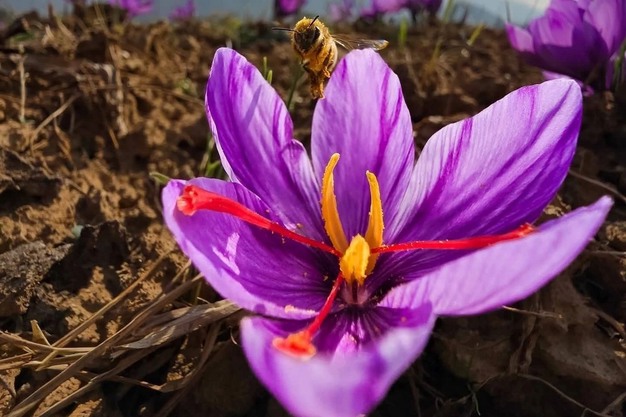 © Sonechiraiya The Desi Farming
In aeroponic saffron farming, the role of soil is very different from traditional field conditions. Bulbs rest in soil only for multiplication. They are not drawing nutrition from it in the same way they do outdoors. This shifts the purpose of the medium. Instead of feeding the plant, the soil functions as a space for recovery and bulb reproduction.
For this phase to work well, the soil must remain well drained and clean, with a balanced mix of loam, sand, and light organic matter. It should be free from chemical residues and loose enough to stay aerated so microbial life can remain active. When growers add too many nutrients or fertilizers, the soil can become unstable. Excessive feeding often leads to bulb rot, fungal growth, or soil that becomes overly soft and water-retentive.
A practical approach is to use a mix of sixty percent loamy soil, thirty percent river sand, and ten percent organic compost. This blend stays breathable and slightly dry, which allows bulbs to multiply naturally without stress.
At SoneChiraiya – The Desi Farm, every stage of saffron cultivation is managed with care, from aeroponic lab setup to flowering, drying, and bulb multiplication. The farm focuses on clean systems, healthy bulbs, and controlled environments. It also offers complete training, lifelong guidance, premium sorted saffron bulbs, and pure indoor-grown Kashmiri Mogra saffron produced without soil or chemicals.
For more information:
Sonechiraiya The Desi Farming
Email: [email protected]