
Nitrogen is an essential macronutrient for plant growth and development, taken up mainly as ammonium (NH₄⁺) and nitrate (NO₃⁻).
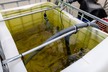
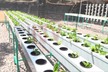
To compare growth, physiological traits, and osmotic responses of licorice (Glycyrrhiza glabra) to different N sources across culture systems, a completely randomized design with three replicates tested four cultivation methods, aeroponics, nutrient-film technique (NFT), substrate culture, and soil culture, and three nitrogen regimes: NH₄⁺, NO₃⁻, and an equimolar NH₄⁺ + NO₃⁻ mixture. Sole NH₄⁺ nutrition markedly increased proline, total soluble carbohydrates, sucrose, total phenolic compounds, and total flavonoids in both leaves and roots, and elevated activities of phenylalanine ammonia-lyase, polyphenol oxidase, guaiacol peroxidase, glutamine synthetase, and overall free-radical-scavenging capacity. Plants fed with ammonium consistently exhibited the highest glycyrrhizic acid levels across all soilless culture systems. The soil cultivation system showed the lowest glycyrrhizic acid concentrations and no significant differences among nitrogen sources. However, NH₄⁺ decreased biomass, chlorophyll pigments, maximal quantum yield of PS II (Fv/Fm), performance index (PI), total soluble protein, starch, nitrate-reductase activity, and tissue concentrations of N, Ca²⁺, K⁺, Mg²⁺, and P. All parameters were significantly influenced by the culture system; aeroponics produced the highest growth and chlorophyll levels, followed by NFT, substrate culture, and soil culture. Licorice thus benefits most from a mixed NH₄⁺ + NO₃⁻ supply in advanced soilless systems, with aeroponics providing the remarkable overall performance. In conclusion, licorice cultivation benefits from the synergistic effects of combined nitrogen forms and advanced soilless culture systems. Future studies should aim to elucidate the molecular mechanisms underlying the observed physiological responses to different nitrogen sources and further optimize nutrient ratios for sustainable, high-yield licorice production in aeroponic systems.
Additionally, the long-term effects of these cultivation strategies on the quality and bioactivity of medicinal compounds in licorice should be investigated.
Roosta, H.R., Estaji, A. & Gruda, N.S. Response of licorice to different sources of nitrogen in soil and soilless culture systems. Sci Rep 15, 42143 (2025). https://doi.org/10.1038/s41598-025-26180-0
Source: Nature Magazine