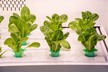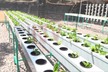

A recent study by the Institute of Molecular and Cellular Biology of Plants in Spain reveals how certain agricultural practices directly influence the microorganisms present in fresh foods, proposing a strategy to transform the microbes present in fruits and vegetables. The study analyzes how biostimulants and controlled stress conditions modify the microbial community inhabiting lettuce and tomatoes. These plants, often consumed raw, transfer their microbiome to the consumer, making the impact of these techniques relevant.
Researchers conducted experiments in greenhouses to evaluate how bacteria, symbiotic fungi, and biostimulant products alter microbial diversity. The model included microbial species used in both organic and conventional agriculture, applied in cultivated soils.
They also incorporated controlled exposure to salinity, a condition usually associated with negative stress, but which showed unexpected effects here. The analyses, based on advanced genetic sequencing, allowed for the identification of profound changes in the composition of the endophytic microbiome. Notable increases in bacteria associated with plant health and probiotic potential were observed.
These results demonstrate that ecological manipulation of cultivation can significantly alter the microorganisms present in edible parts. Researchers observed variations ranging from partial changes to complete transformations of microbial profiles.
Read more at Noticias Ambientales