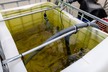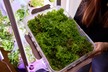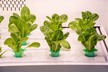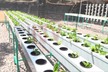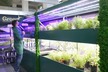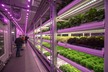

Presto has taken another step in its push to reshape agricultural learning in primary schools, delivering its fifth Hydroponics Garden this time to El Socorro South Government Primary School. The installation, handed over on Tuesday, equips students with the tools and training to grow lettuce, chive, celery, and sweet peppers using clean, efficient, soil-free technology that mirrors modern farming practices.
For Presto, the project reinforces its commitment to its brand promise Fresh. Easy. Quick. Local while deepening the company's corporate social responsibility footprint. But the impact extends well beyond branding. The system is being fully integrated into the school's agricultural science curriculum, transforming what was once a theoretical subject into a hands-on, farm-to-table learning experience for pupils from Standard 1 through Standard 5.
Representing Education Minister Dr. Michael Dowlath, Curriculum Officer for Agricultural Science Dr. Vishal Ramjattan underscored how the initiative strengthens the ministry's partnership with Presto and supports the education sector's push toward experiential learning. He said the hydroponic setup creates an active learning environment that encourages problem solving, scientific inquiry, and a practical understanding of food production.
Presto Director and Business Development Manager Jean-Luc Mouttet framed the garden as an investment in the next generation, pointing out that teaching children how food is grown builds independence, sustainability, and long-term environmental awareness. Principal Viji Jogie agreed, describing the project as an opportunity for students to build ownership over their education while developing healthier attitudes toward what they eat.
Read more at Trinidad & Tobago Guardian