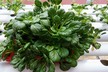


Strawberries are no longer a spring fruit in Korea. They have become seasonless — and in fact, their peak arrives in icy-cold winter. From strawberry cakes to lattes, the fruit dominates winter menus.
"Orders are pouring in because it's winter strawberry season. We go through 10 kilograms of strawberries a day," said the owner of a café in downtown Seoul. Winter strawberries grown in greenhouses are known to be especially sweet.
Korea-grown strawberries have also gained global popularity. Strawberry exports surpassed the 100-billion-won ($70 million) mark in 2023, becoming the country's top agricultural export item by value. More than half of Korea's strawberry exports are shipped to Southeast Asian markets such as Hong Kong and Singapore. To maintain freshness, shipments rely on air freight and short-haul routes — a limitation that has capped further export growth.
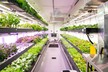
Smart farming offers solutions to those logistical constraints. Water usage is reduced to roughly one-tenth of traditional agriculture, farms can be built in deserts or city centers, and production is shielded from climate volatility. These advantages have drawn strong interest from Middle Eastern countries pursuing food self-sufficiency.
Read more at Asia News Hub