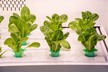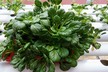


One room mimics the hot, humid conditions of a rice paddy. Next door, onions grow under the glow of a commercial-grade vertical farm. Along the corridor, wheat plants stand wired to sensors, each leaf monitored for photosynthesis, water use and stress responses.
Opened in 2024 at the university's Colchester campus, this £3 million state-of-the-art facility can transport you to the farming environments of tomorrow. And with extreme weather increasingly shaping agricultural production, its insights could not come at a more critical time.
A recent ECIU survey revealed the stark reality: 86% of UK farmers have been hit by extreme rainfall in the past five years, 78% have felt the impact of drought, and more than 50% have faced heat-related crop damage.
Last year alone, the driest spring in over a century, followed by the warmest spring and summer on record, contributed to England's second-worst harvest ever recorded. As AHDB's latest Climate Change Adaptation report warns, UK farming is becoming increasingly vulnerable. STEPS aims to change that, the University of Essex claims.
Read more at Farmers Guide