

Walking into the basement of the Oklahoma State University Student Union, students, faculty and staff are met with a comforting sight — shelves and coolers fully stocked with groceries.
As a land-grant institution, OSU has a leading focus area of "Innovating to Nourish Our World." The Greenhouse Learning Center does just that by partnering with Pete's Pantry, the on-campus food pantry, to produce lettuce. With just a swipe of an OSU ID, Cowboys across campus have access to local, healthy food.
 © Ava Jernigan
Around 54% of OSU students experience some form of food insecurity during their time in college, said Brian Blevins, OSU Campus Life basic needs resources coordinator.
"The Student Government Association saw this gap in resources," Blevins said. "In 2019, they transformed a small office into Pete's Pantry, which, at the time, consisted of just tables and canned goods."
To help meet needs of the Cowboy Family each week, Pete's Pantry turns to local partners for donations, specifically fresh produce, Belvins said,
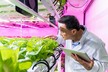
About once a month, a student intern at the Greenhouse Learning Center harvests buckets of lettuce from the hydroponic system, which are then provided to Pete's Pantry, said Stephen Stanphill, senior agriculturalist and greenhouse manager.
"In the summer of 2024, Dr. Moss suggested that we could get involved with the Intern OSU program," Stanphill said, referring to Justin Moss, horticulture and landscape architecture department head. "We tried to come up with some more hands-on projects around the greenhouse."
To give students more experience, the Greenhouse Learning Center internship includes working with various aspects of the greenhouse, from the outside triangle beds and compost bins to the hydroponics system, Stanphill said.
In August 2025, Elli Winbolt, horticulture sophomore, stepped into the student intern role at the Greenhouse Learning Center.
"I chose urban horticulture because it offers the opportunity to grow produce throughout the year," Winbolt said. "When you grow produce outside, you're limited to the seasons, but you can control the environment in a greenhouse."
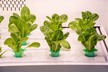
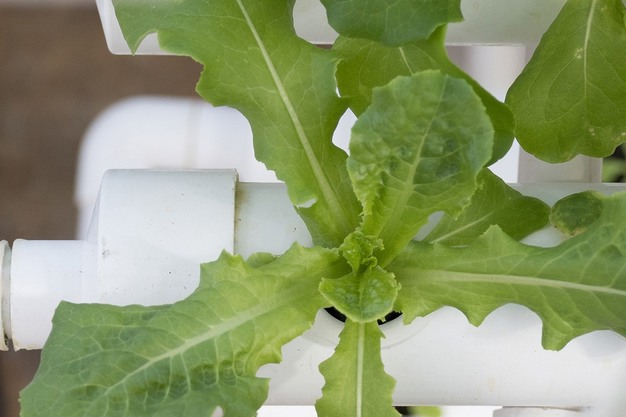
The Greenhouse Learning Center uses a nutrient film technique, or NFT, hydroponic system, Stanphill said. This type of system moves water through a covered gutter in a thin, nutrient-rich film, allowing plant roots to grow in multiple directions due to its low-flow design, he added.
"The hydroponics is a series of tubes that funnel water," Winbolt said. "It carries the fertilizer and follows the proper pH rules. So, the nutrients can in fact be acquired by the plants."
A normal working day with the hydroponics system includes checking the water levels daily since the lettuce absorbs so much water, which helps the lettuce leaves stay fresh and crisp, Winbolt said. Through a daily checklist, Winbolt manages various components and processes of the system, they added.
Once the routine checks are complete, the focus then shifts to selecting and maintaining the lettuce varieties that thrive best in the system, Stanphill said.
Stanphill said they initially tried growing seven different varieties of lettuce but eventually settled on Black Seed Simpson and Buttercrunch, which performed the best. Other varieties are prone to flowering too quickly, reducing both quality and flavor, he added.
Once the varieties are selected, the seeds are started using foam cubes to give them the best chance to grow, Winbolt said. Each cube receives two seeds into the pre-drilled holes to rest on a misting bench until they sprout, they said.
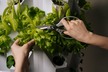
The harvest itself is much quicker than the preparation, Winbolt added. The process takes about 30 minutes, during which the plants are pulled and placed in buckets of water. Each harvest yields roughly three buckets of lettuce, produced every four to five weeks, Winbolt said.
Stanphill said sustainable growing systems like hydroponics can bridge the gap between agricultural innovations and community needs.
Hydroponics is a new emerging technology that is advancing the industry, he added.
"I chose to learn about urban agriculture and the hydroponics system to combat food deserts and help families with low income," Winbolt said.
Donations from the Greenhouse Learning Center are always welcome to continue growing Pete's Pantry, Blevins said.
"The goal is to provide shelf-stable goods, fresh produce and frozen or refrigerated items to ensure students, faculty and staff have reliable access to food," Blevins said.
Source: Oklahoma State University