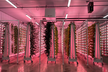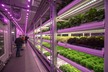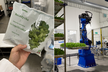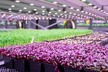


More than 200 different plant species have been successfully cultivated over the past five years at the coldest place on Earth. Specialists from the Russian Antarctic Expedition and the Arctic and Antarctic Research Institute have grown a wide range of leafy greens, vegetables, and melon varieties at Vostok Station—despite the extreme climatic conditions.
Fresh lettuce, tomatoes, and cucumbers from the station's own greenhouse are now an almost permanent part of the polar researchers' diet. Looking ahead, the cultivation of strawberries is also planned. The fruit and berry growing project is part of the "Plants" experiment and has been conducted since 2020 in cooperation with the Agrophysical Research Institute and the Institute of Biomedical Problems of the Russian Academy of Sciences.
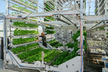
In the phytotechnological greenhouse complex, various types of cabbage, leafy greens, herbs, as well as tomatoes, peppers, cucumbers, and watermelons are grown.
"Raising the plants and observing their development sparks great interest among the polar researchers and has a positive effect on their psychological and emotional well-being. Witnessing the fruits ripen is a special pleasure. The appearance of the first small watermelons was a great joy for us," reports Sergei Stupnikov, senior geophysicist at Vostok Station.
Read more at Polar Journal