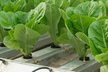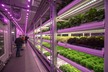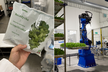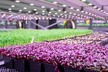


Aquaponics offers a compelling solution for growers seeking sustainability, water efficiency, and local food production. The Aquaponics Association highlights that people are drawn to the method for many reasons: education, research, improving food access, or simply producing fresh food closer to home. By combining fish and plant production in one integrated, soil-free system, aquaponics addresses multiple challenges simultaneously. It reduces reliance on synthetic fertilizers, minimizes environmental impacts like nutrient runoff, and provides nutritious, locally produced food—sometimes even meeting organic certification standards.
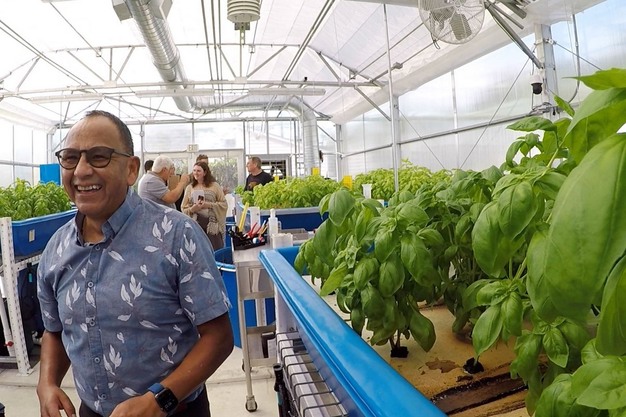
For growers like Elshan Bal, aquaponics represents more than a method; it is a systems-level solution. His early involvement stemmed from consulting with designers, scientists, and food-safety experts across hydroponic, aquaponic, and recirculating aquaculture systems internationally. "Seeing how these disciplines intersect made it clear that aquaponics isn't just another growing method, but a holistic approach to sustainable food production," he explains.
 © Aquaponics Association
What keeps Bal engaged is the constant learning and real-world problem-solving the system demands. Aquaponics operates at the intersection of biology, engineering, chemistry, and sustainability, offering opportunities to turn failures into lessons and strengthen local, year-round food systems. Supported by a trusted community and resources from the Aquaponics Association, he continues to invest in the method, sharing knowledge and advancing the field for the next generation of growers.