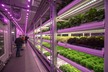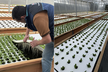


Not that long ago, farmers and their farms were integral parts of the communities they served. Oren Falkowitz, founder of Area 2 Farms, remembers that time well. Today, their vision is simple: Move the farm, not the food.
"Growing up in south Florida, my mother and I would drive a mile or so to Blood's orange groves to buy fruit and juice," he said. "We knew the people who worked there and they knew us. Today those groves are gone and oranges grown as far north as Georgia are trucked back to where they were originally grown to be sold."
No other development has had a greater impact on the course of civilization than farming. The rise of some of the first cities coincides with the appearance of domesticated wheat, rice and corn. While the pace of innovation has been relentless since then, some of traditional farming's basic problems remain. Yes, fruits and vegetables are available year-round, but they come from large corporate farms that breed crops for transport and shelf life rather than flavor and nutrition.
Farmland produces more tonnage per acre than ever, but the pressures of a changing climate are making that growth unsustainable. And for the most part, farming is still a subsistence occupation, with farmers reaping only 16 cents of every dollar spent on the food they grow.
Read more at Innovation & Tech Today