

Cape Town's The Vineyard Hotel has integrated microgreens production directly into its kitchen operations, combining on-site cultivation with vermicomposting to reduce transport dependency and retain nutrient value within its own ecosystem.
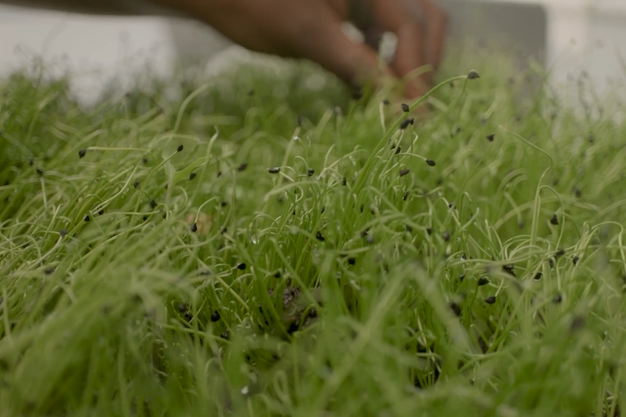
According to the hotel, microgreens are difficult to source in the Western Cape, often brought in by commercial growers from Gauteng, which is over 1400 kilometers (870 miles) away. By growing on-site, the hotel eliminates that distance. "Growing on-site reduces food miles, costs, and waste while ensuring freshness," says Chad Blows, Head Chef at The Vineyard.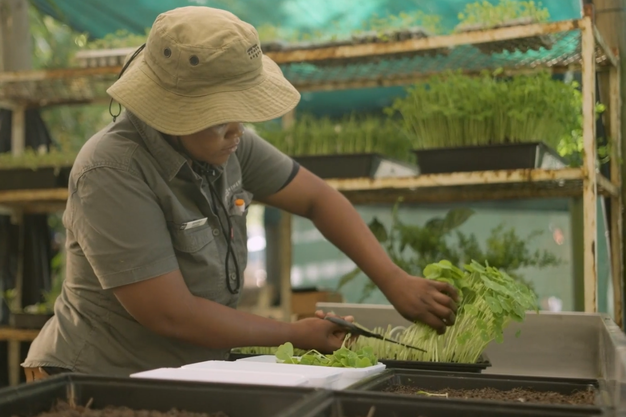 © The Vineyard Hotel
 © The Vineyard Hotel
Scratch kitchen philosophy drives waste rethink
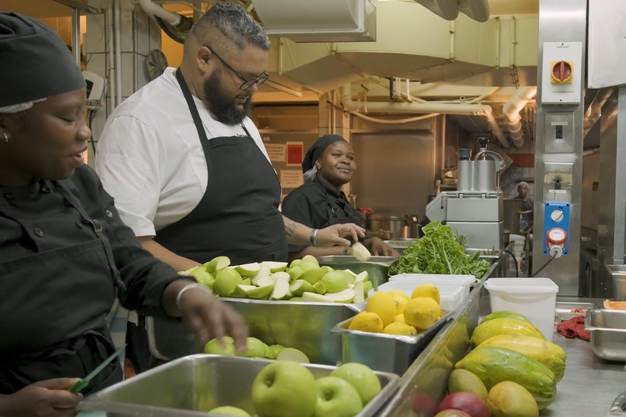
The initiative evolved from the hotel's broader food philosophy. "We believe in scratch kitchens. We do as much as possible from scratch, including the juices," says Senior Sous Chef, Sven Adams. The hotel decided to expand its fresh juice offering, but that shift had operational consequences. "With that, we found that it was an increase in waste, wet waste in particular," Adams explains. "We looked at recycling, and the project evolved from a simple box with worms to a waste management system that benefits our growing operation."
Alongside waste reduction, cost considerations played a role. The Vineyard's internal analysis highlighted the cost differential between purchasing finished trays and producing them in-house. "A tray of pea shoots typically costs R80 from a supplier, but an entire bag of seeds that can grow multiple trays costs R60," Blows says. For a kitchen that uses microgreens, including pea shoots, mustard, and basil, across multiple services each day, the price difference compounds. According to the hotel, the savings have enabled reinvestment in the project, including appointing a full-time employee dedicated to the microgreens project.
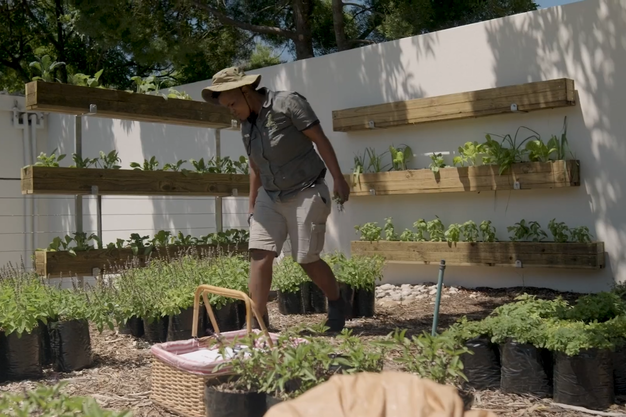
The hotel's vermicomposting system processes juice pulp, apple trimmings, coffee grounds, and other organic waste in wooden bins filled with earthworms. "The vermicast compost is tilled into the microgreen trays, as well as the hotel's herb and vegetable gardens, fuelling the next growth cycle," Blows explains.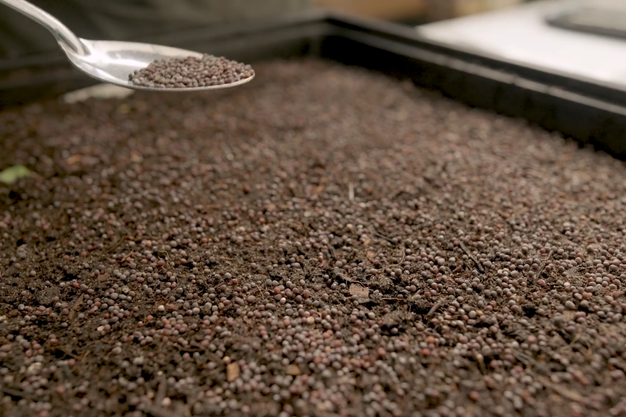 © The Vineyard Hotel
  © The Vineyard Hotel
Cultural shift inside the kitchen
For Adams, the impact is visible not just in procurement sheets but in people. "Going through to the garden is actually quite tranquil and relaxing," he says. "So we often take the chefs out there and show them where the food comes from."
"When you've grown it yourself, you cook differently," says Blows. "You appreciate every stem, every leaf. It reminds us that food has a journey before it reaches the plate." Adams adds that seeing the cycle firsthand changes behavior. "The kitchen staff, in general, have seen the benefits of growing our own, so they become more open to the idea of doing something where we're actually making a difference."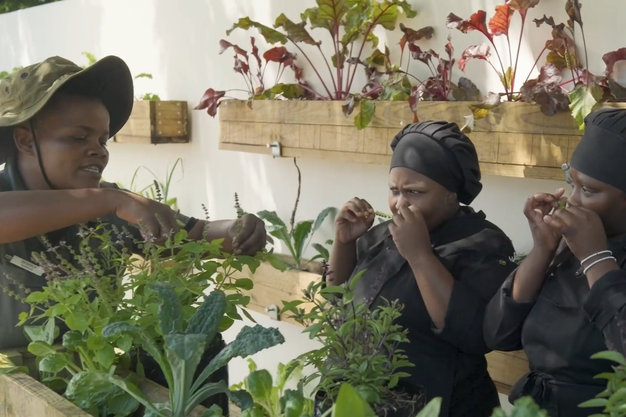 © The Vineyard Hotel
 © The Vineyard Hotel
Keeping resources on-site
The principle remains simple. "Everything stays on the premises, and everything gets used by us," says Adams. "It's actually quite unbelievable at first to think that something that would have just been waste has now come back to life, in a different form, and it's got a purpose."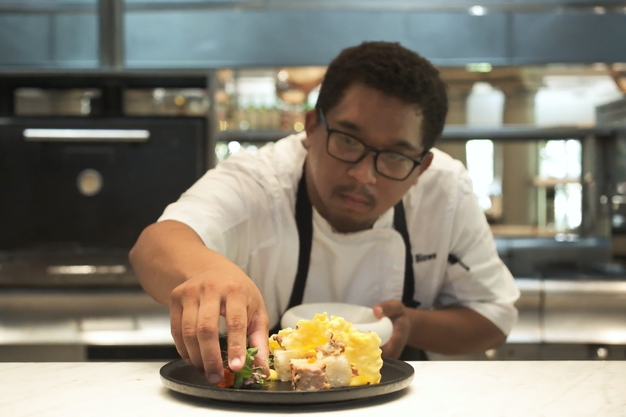 © The Vineyard Hotel
For more information:
The Vineyard Hotel 
Chad Blows, Head Chef
Sven Adams, Senior Sous Chef
[email protected]
www.vineyard.co.za