

Sometimes leaving home allows you to come back with fresh eyes. That's what happened for Rusty Creed Brown, an elected Tribal Council person for the Delaware Tribe of Indians and the Tribal Treasurer. Brown moved to Alaska in 2011, and during the seven years he was working there, he saw how a changing climate impacted local food. "Their whale meat was starting to rot and go bad because of the melting of the tundra and their ice cellars. It became clear to me how important food security is," Brown says.
When he returned to Oklahoma, he was elected to the Tribal Council and one of his first priorities was to create a food pantry. The 5,000-sqft food pantry is tribally controlled and funded which allows it to serve 800 to 1,000 tribal members regularly and without income guidelines. "You can't tell by looks. You don't know what people are dealing with behind a closed door. That's why it was really important to make sure there was no income guideline to begin with," Brown says. "If you're hungry at the end of the day, just come get food."
The choice is deliberate because federal funding comes with strings attached. "I'm very careful and strategic about who we ask for funding and partner with because I don't want them to set guidelines we don't want for our community. I want to make sure that we continue to control the food pantry and control what comes in, what goes out, and who gets to participate in the program," Brown explains.
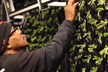
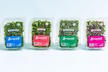
To expand the program, Delaware partnered with Growcer to add a modular vertical farm. The indoor farm can grow fresh produce year-round using less water and land than outdoor farming. Located near the pantry, it will supply members with freshly harvested lettuces, leafy greens like kale and spinach, and herbs like mint and basil to take home.
Read more at Tribal Business News