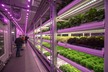


When people hear "hydroponic farm," they picture something industrial. Warehouses full of robots and blinking LEDs. Gingerly Farms' setup is a lot simpler than that.
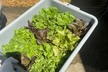
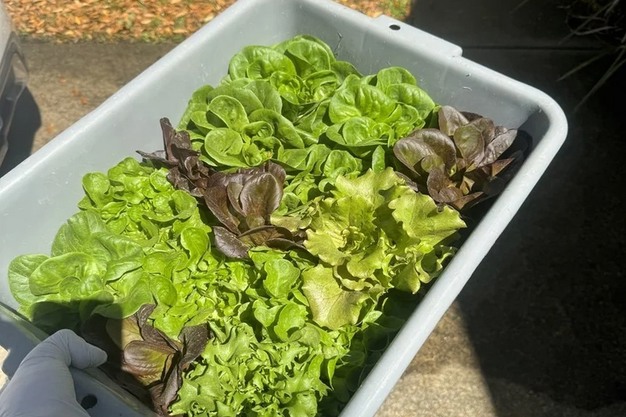
They grow leafy greens and herbs hydroponically. The plants sit in coconut coir for root stability and get fed by nutrient-rich water that the team mixes, checks, and recirculates. They know exactly what the plants are getting because they're the ones mixing it.
 © Gingerly Farms
Why hydroponics
Charleston's growing season is long, but it comes with brutal heat, humidity, and random storms. The summer is tough on greens, afternoon rain can hammer a crop, and bugs are constant. Hydroponics gives Gingerly Farms more control over the growing process, even with their flood tables outside for now.
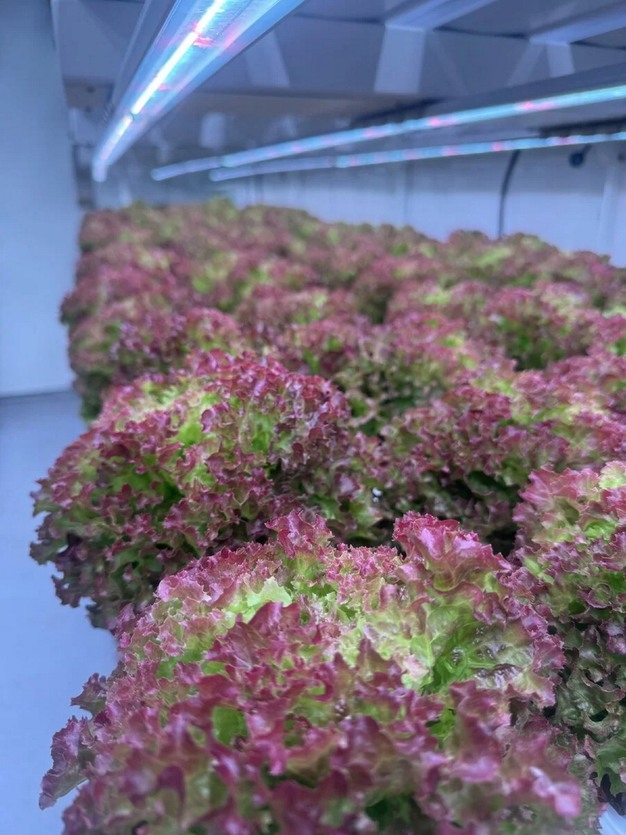
The early growth happens indoors on vertical racks where conditions are dialed in. The plan is to eventually move everything under cover as they scale, but they're working with what they have and it's producing good results. For the restaurants they work with, consistency is what those partners care about most.
 © Gingerly Farms
Their system
Everything starts indoors on vertical racks. Seeds go into coconut coir, which gives the roots something to hold onto as they develop. Once they've built a strong root system (usually about 10 to 14 days), they move outside to the flood tables.
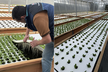
The flood tables work on a cycle. They fill with nutrient solution, the roots soak it up, and the water drains back to the reservoir. It's simple, efficient, and lets Gingerly Farms grow a lot of greens in a compact footprint. From transplant to harvest, depending on the variety, it's another two to four weeks.
The team monitors pH, electrical conductivity, dissolved oxygen, and temperature daily. Small adjustments early prevent big problems later. The system is simple by design: fewer moving parts means less to break and less to troubleshoot at 6am.
What that means for the product
Gingerly Farms harvests to order and delivers locally, so the greens reach your kitchen within hours of being cut. No cross-country trucking, no sitting in cold storage for a week. You can taste the difference and they last longer in the fridge.
Short supply chain, fresh product. Fewer miles between the grow room and the plate, and that shows up in the quality.
For more information:
Gingerly Farms
https://gingerlyfarms.com/