

The U.S. International Development Finance Corporation has deployed its first tranche of Rs 90 crore into a Pune-based controlled-environment agriculture enterprise, marking one of the first major foreign capital inflows into Maharashtra's agri-tech sector following the state's Davos commitments earlier this year.
The investment, part of a proposed Rs 400 crore infusion, targets precision-driven cultivation models that use significantly less water and land than conventional farming. Industry observers note that this is among the earliest tangible outcomes of the Rs 2,500 crore Smart Agriculture memorandum signed at the World Economic Forum Annual Meeting in Davos between the state government and private partners.
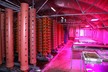
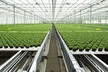
For a state grappling with recurring droughts, groundwater depletion, and fragmented landholdings, controlled environment agriculture offers a pathway to climate-resilient food production. These systems—typically polyhouses, vertical farms, or hydroponic units—allow year-round cultivation with up to 90 percent less water compared to open-field farming. They also reduce dependency on chemical pesticides and protect crops from unseasonal rainfall or temperature spikes.
The funding will accelerate development of this infrastructure across clusters in Bhor and Purandar near Pune, with one project scheduled to become operational by July 2026. A company representative stated that the capital infusion would enable precision-driven cultivation, efficient water use, and enhanced crop productivity, while strengthening export-oriented agricultural supply chains.
Read more at Urban Acres