
Saudi Arabia ranks among the world's most water-stressed nations, with renewable freshwater resources estimated at under 100 cubic meters per person annually, well below the threshold for absolute water scarcity. Climate change is intensifying these pressures: 2024 was the hottest year on record in the Arab region, with temperatures rising well above historical averages and projected to continue increasing, accelerating evapotranspiration and climate variability.
Coupled with population growth beyond 35 million and Vision 2030 goals to expand local food production, demand on limited water resources is mounting — making water scarcity a long-term structural challenge for the sustainability of Saudi agriculture. According to Roger Rabbat, PwC Middle East partner, Saudi Arabia is increasingly turning to smart and controlled-environment agricultural systems to overcome the constraints of its arid climate.
"The Kingdom has been promoting technologies such as hydroponics, aquaponics, vertical farming, and high-tech greenhouses to reduce water use while maintaining high productivity," he said.
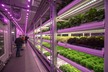
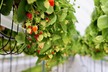
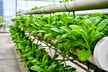
Rabbat explained that hydroponic systems can reduce water consumption by up to 90 percent compared to traditional open-field farming, while vertical farming enables year-round production in limited spaces and significantly reduces reliance on pesticide.
Read more at Arab News