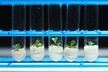


This study evaluates the bioeconomic performance index of an experimental intensive aquaponic system (IAS) integrating Nile tilapia (Oreochromis niloticus) and tomato (Solanum lycopersicum), in comparison with standalone aquaculture (AM) and hydroponic (HM) systems operated under identical greenhouse conditions.
The systems were assessed at experimental scale over a 180-day production cycle using productive, environmental, and economic indicators integrated through a normalized Bioeconomic Performance Index (BPI) formulated as a benefit-to-resource ratio. Tilapia growth and feed conversion efficiency were comparable between IAS and AM, while water quality stability and nutrient use efficiencies were significantly higher in the integrated system (P < 0.05). Tomato yield was highest in the hydroponic system; however, crop production in the aquaponic system was achieved without synthetic fertilizers, relying exclusively on recycled aquaculture-derived nutrients. Although the IAS exhibited higher operating costs, mainly due to energy consumption associated with continuous water circulation and filtration, the combined production of fish and crops resulted in the highest net profit among the evaluated systems. The BPI indicated that the intensive aquaponic system achieved superior overall bioeconomic performance by balancing higher resource demand with gains in combined output and resource-use efficiency. Sensitivity analysis identified energy consumption as the dominant factor influencing bioeconomic performance, without altering system ranking.
These results suggest that intensive aquaponics can represent a competitive alternative to conventional aquaculture and hydroponics when evaluated through an integrated bioeconomic framework, particularly in contexts prioritizing water conservation and nutrient recycling, while acknowledging trade-offs related to energy use and system complexity.
De León-Ramírez, J.J., Félix-Cuencas, L., López-Tejeida, S. et al. A bioeconomic performance index for comparison of an experimental intensive aquaponic system with tilapia and tomato versus aquaculture and hydroponics. Sci Rep (2026). https://doi.org/10.1038/s41598-026-49597-7
Source: Nature Magazine